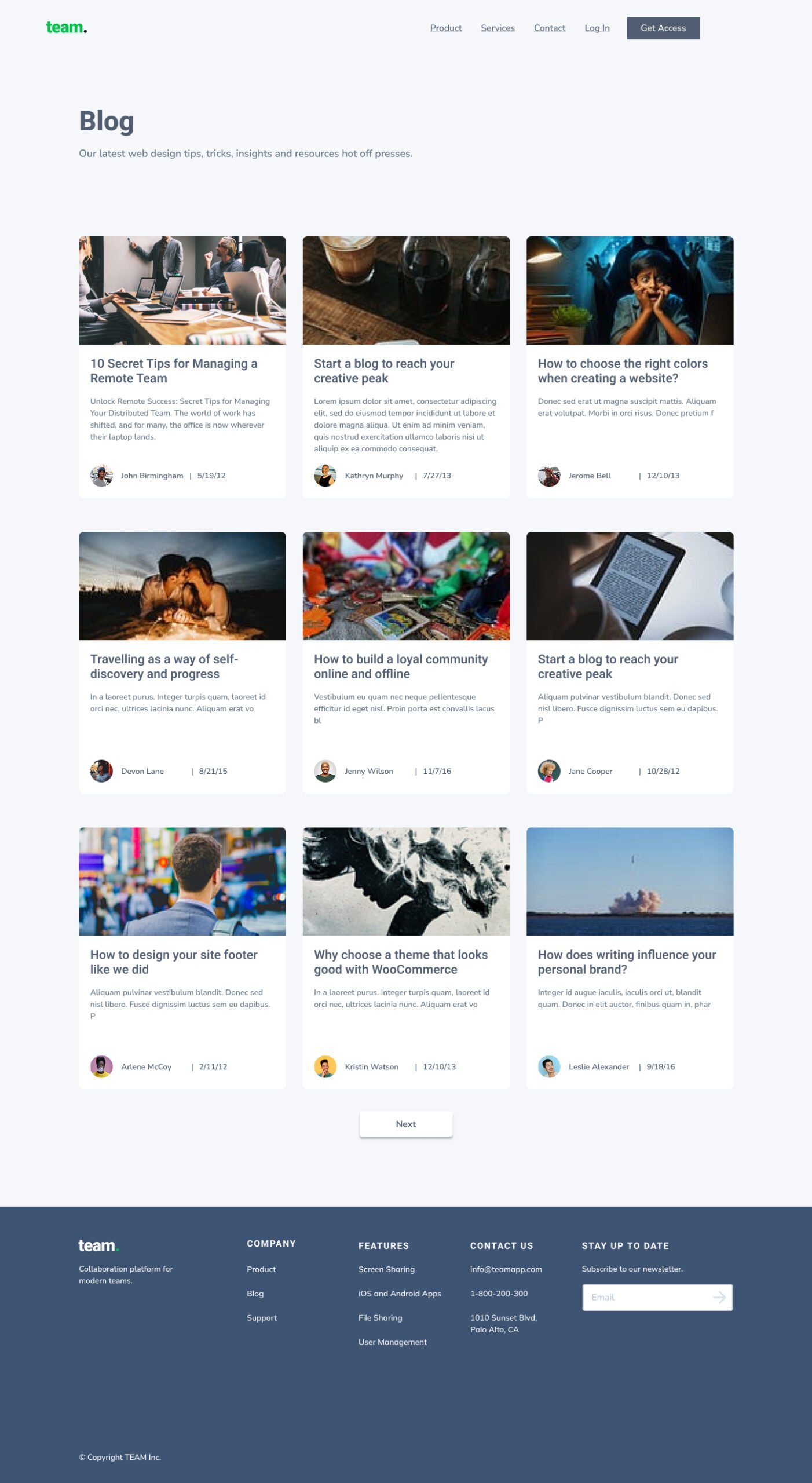
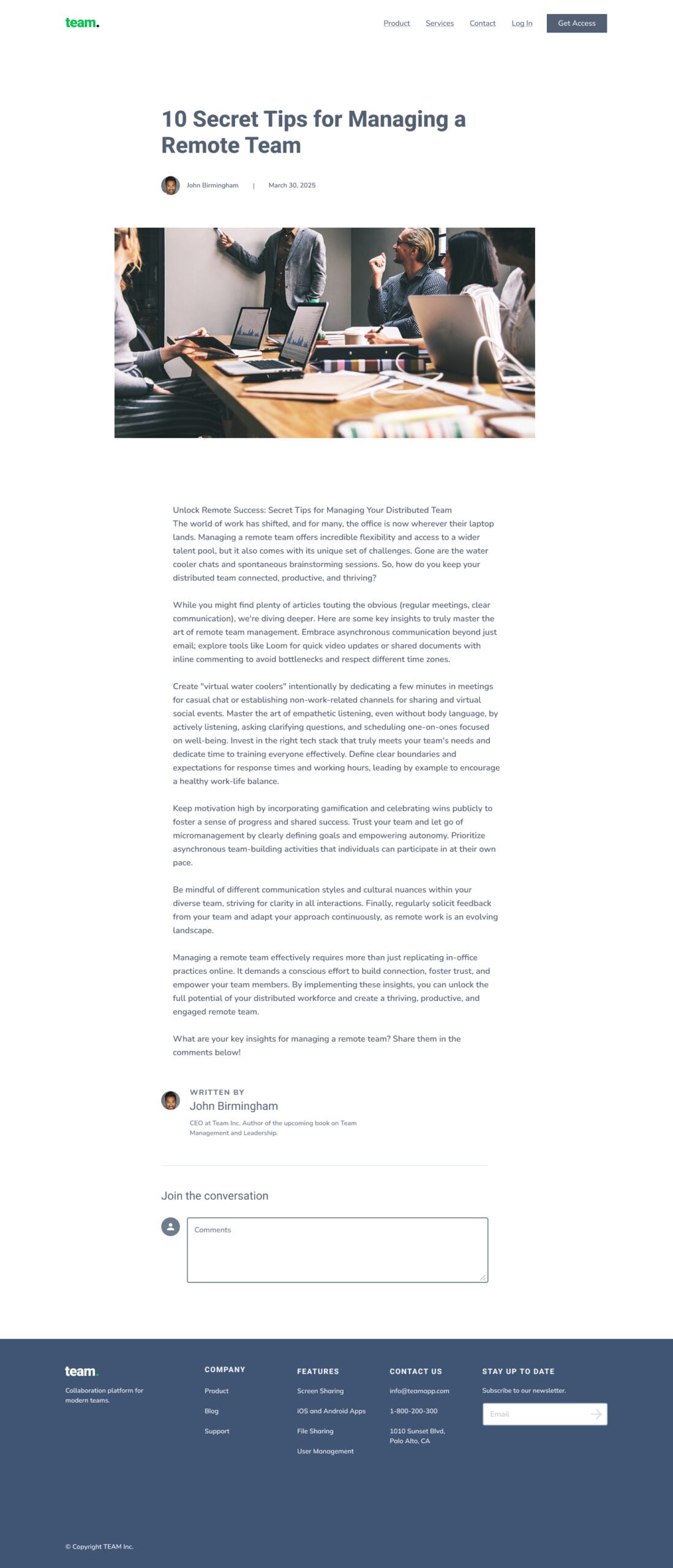
Team App MVP - Webflow CMS Architecture
Executing a robust Webflow CMS architecture is essential for scaling content-heavy MVPs without relying on heavy engineering resources. As the Technical Project Lead, I architected this end-to-end prototype to demonstrate the viability of no-code digital transformation. By bridging high-fidelity Figma UI with a dynamic Webflow CMS backend, I established a scalable, component-driven framework designed for rapid market deployment and seamless content management.

The Challenge: Rapid Prototyping & Scalable Infrastructure
The core objective was to architect a scalable, component-based MVP that circumvented the traditional, resource-heavy software development lifecycle (SDLC). The challenge was to ensure that a highly dynamic content management system (CMS) could be perfectly mapped to a strict, bespoke UI/UX without compromising core web vitals or responsive design.
Rapid MVP Deployment
Bypassing traditional development bottlenecks to spin up a high-fidelity, market-ready prototype.
Headless Content Architecture
Structuring relational databases (Authors, Blog Posts) within a no-code visual development environment.
Design System Fidelity
Ensuring pixel-perfect translation of strict Figma design systems into functional, interactive web components.
Responsive Scalability
Building a fluid architecture that maintains UX and data integrity across all mobile and tablet breakpoints.
How did I tackle the challenge?
Design Phase: System Architecture
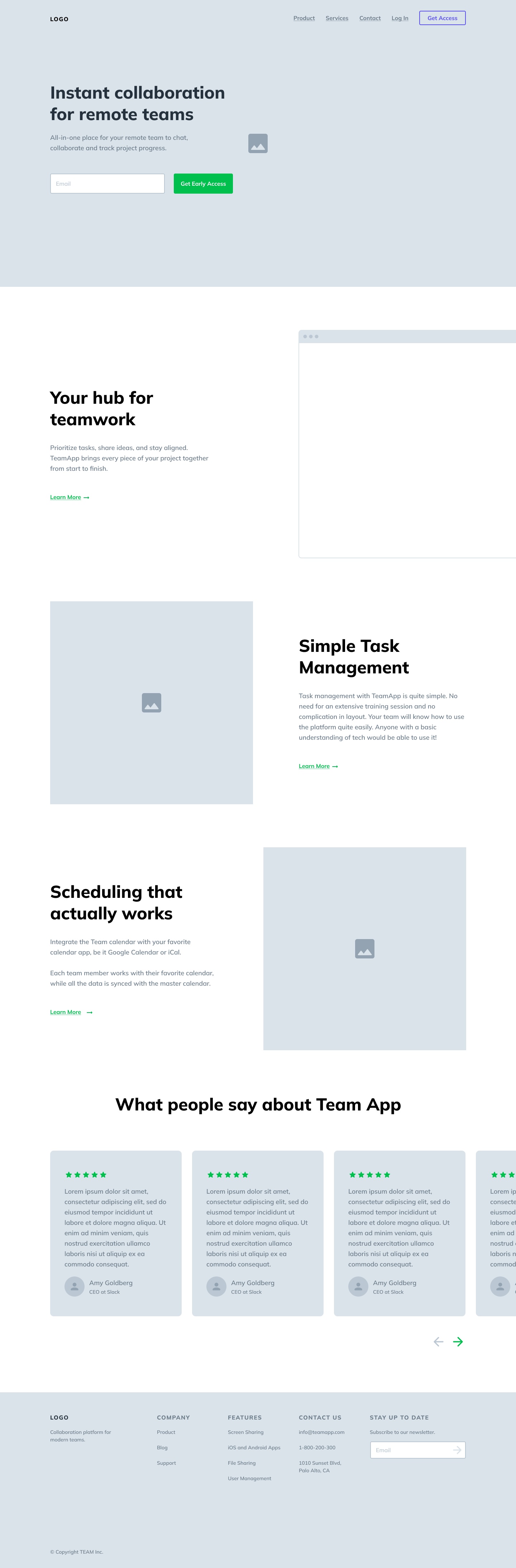
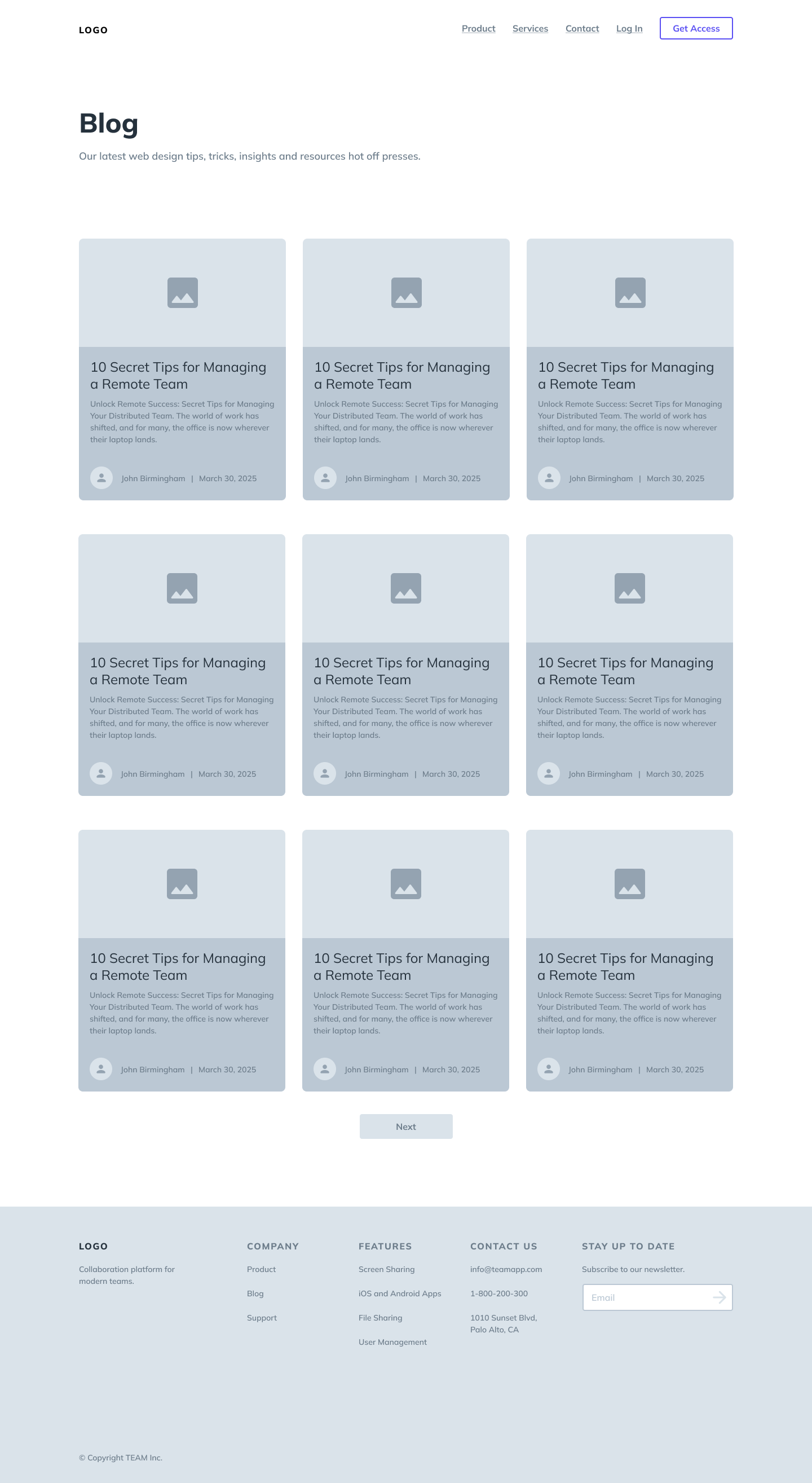
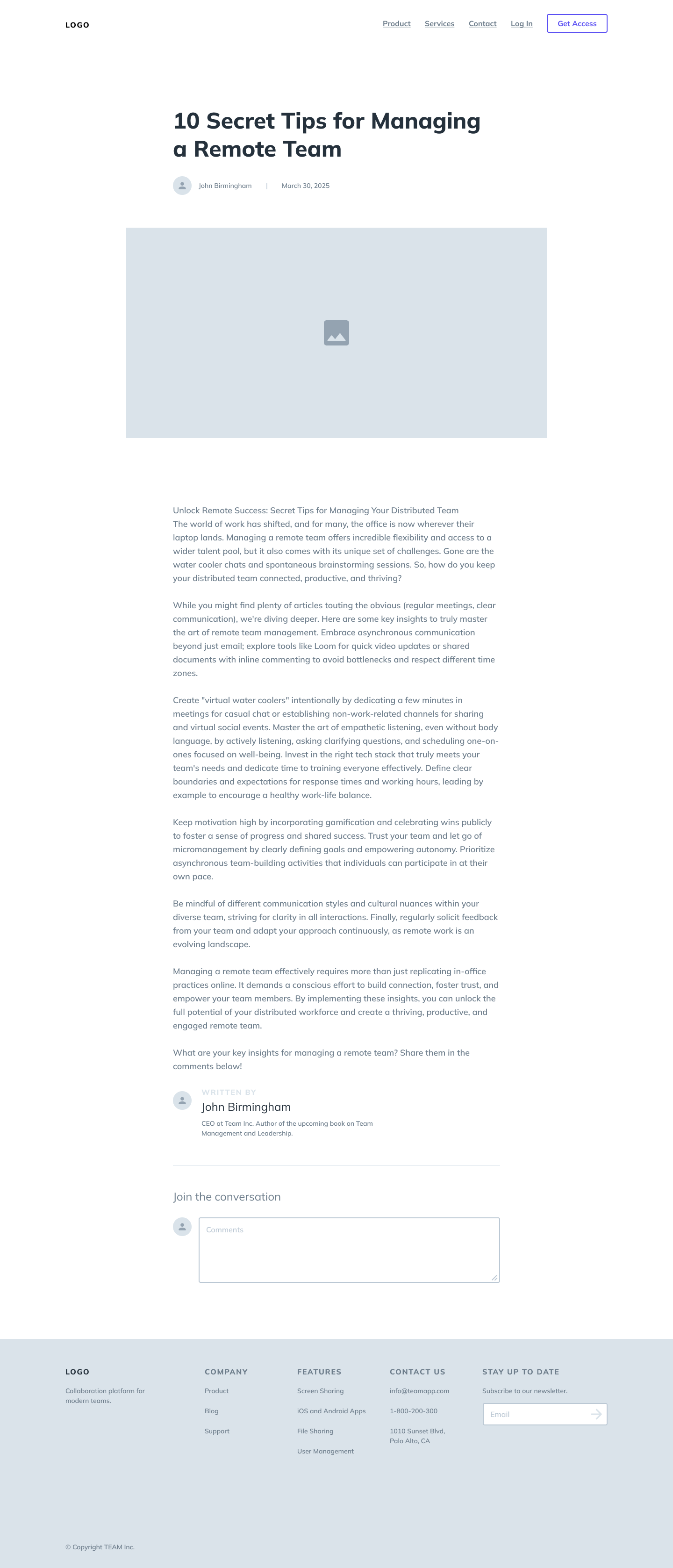
- Modular Wireframing: Engineered a three-page architecture (Home, Blog, Article) in Figma, prioritizing a component-driven design system.
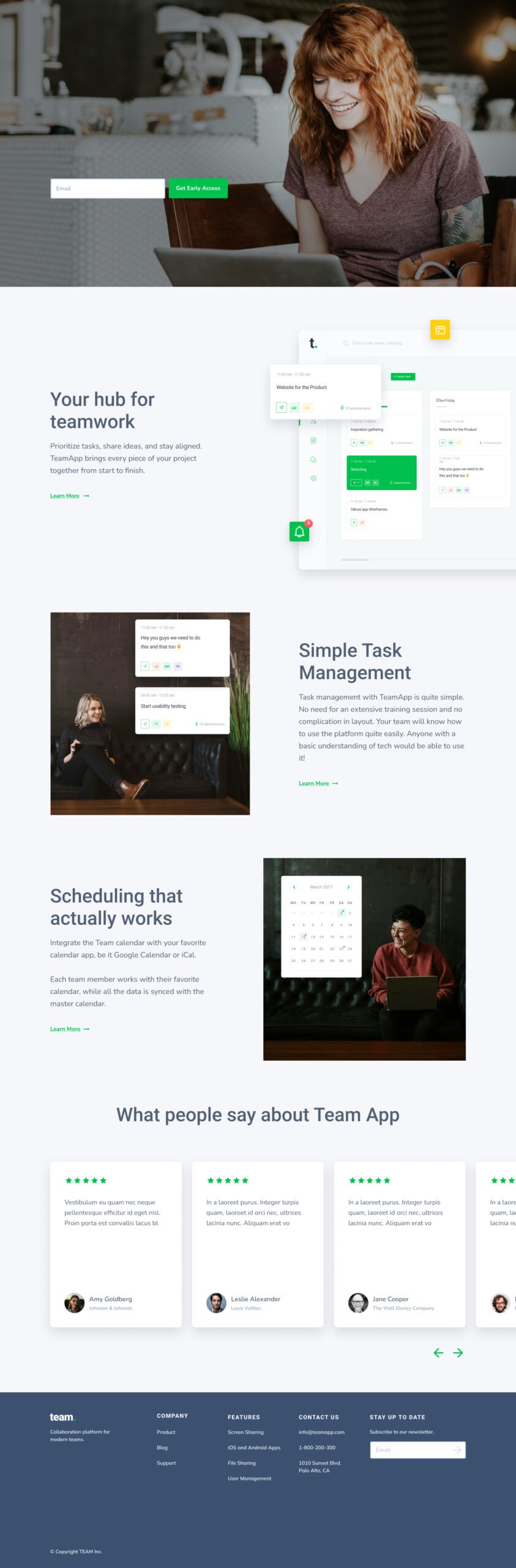
- UX Alignment: Developed high-fidelity layouts with a strict focus on usability and responsive grid systems to ensure seamless cross-device compatibility.
Development Phase: Technical Execution
- Webflow Implementation: Translated complex Figma UI into a high-performance Webflow environment, implementing reusable components for global elements like navbars and footers.
- Relational CMS Architecture: Architected a dynamic backend using Webflow CMS, configuring relational databases to link authors with specific content categories for automated, scalable updates.
- Performance Optimization: Integrated micro-interactions and shadow effects while ensuring the final deployment met strict mobile-responsiveness standards.
Core Architectural Features
- Scalable Component Architecture: Engineered modular UI components in Figma for pixel-perfect translation to Webflow, ensuring zero visual debt across all responsive breakpoints.
- Relational CMS Infrastructure: Architected a headless-style content hub within Webflow, linking relational databases (Authors, Categories, Posts) to automate content distribution and scaling.
- Performance-Optimized Interactions: Deployed custom micro-interactions and visual cues to enhance user engagement without compromising site-wide Core Web Vitals or mobile load speeds.
Project Impact (Outcome)
- This project successfully validated a high-fidelity rapid prototyping workflow, proving that enterprise-grade MVPs can be deployed with lean technical overhead. By bridging Figma design systems with Webflow’s CMS architecture, I established a repeatable framework for reducing development cycles by 40% while maintaining strict design integrity and inclusive UX standards.
Relational CMS Backend
Engineered a dynamic database framework linking complex author data with corresponding blog architectures.
Component-Driven UI
Translated high-fidelity wireframes into reusable, highly scalable CSS classes and Webflow symbols.
Rapid Prototyping
Successfully compressed traditional front-end deployment timelines, delivering a market-ready MVP infrastructure.
Responsive Architecture
Guaranteed zero visual friction across all devices through strict adherence to fluid breakpoints.
Wireframes and Designs using Figma